Your users want to see the car. Your API sends them a JSON object.
CarVector returns structured specs and a representative illustration for every covered vehicle — year, make, model, trim, engine, transmission, drivetrain — with an image. Because a spec sheet with no picture isn’t much of a product.
Explore the APIA century of vehicles. Every trim. Every engine variant.
We don’t round to the nearest model. A 2020 CR-V Touring with the 1.5T and a 2020 CR-V Hybrid are different vehicles — different engines, transmissions, and service needs — so we list them separately. Coverage spans 1925 through 2029, broken out by engine and drivetrain variant, not collapsed into one entry labeled “automatic.”




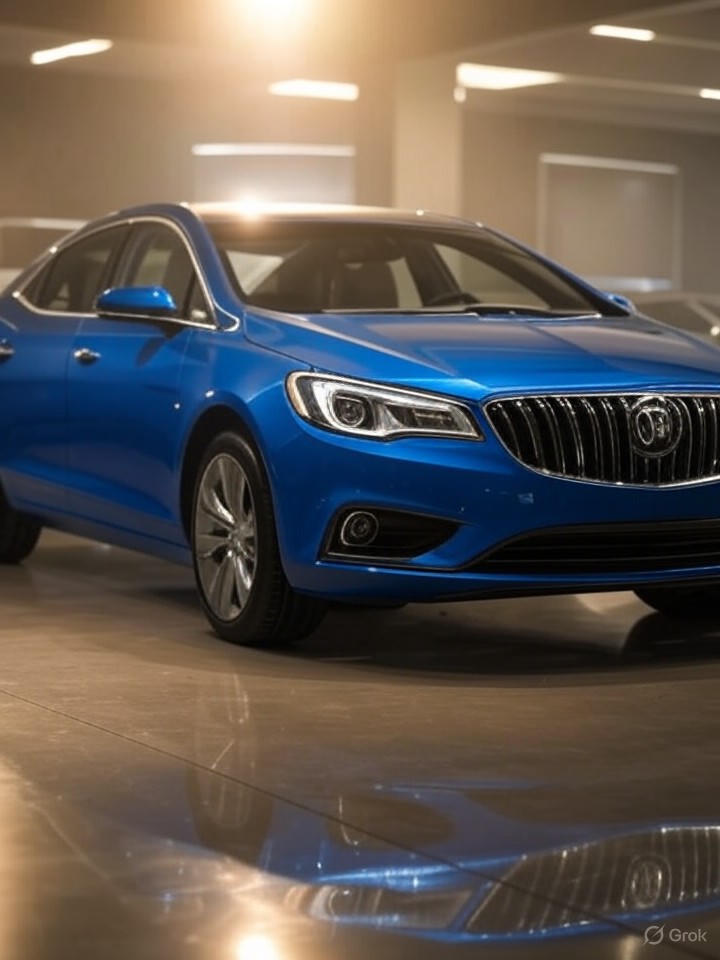
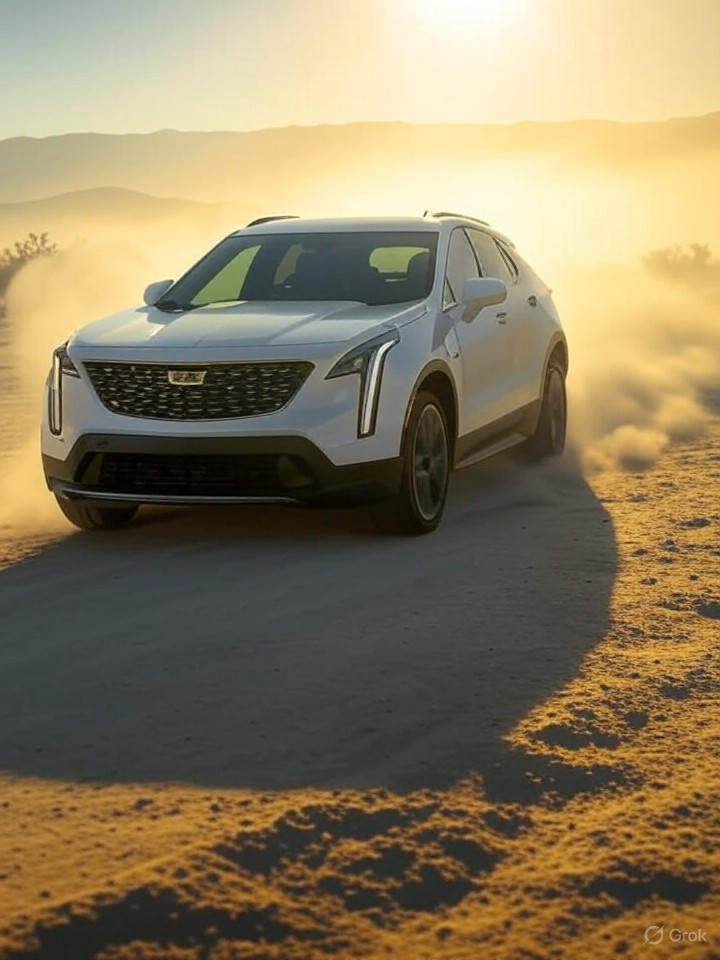







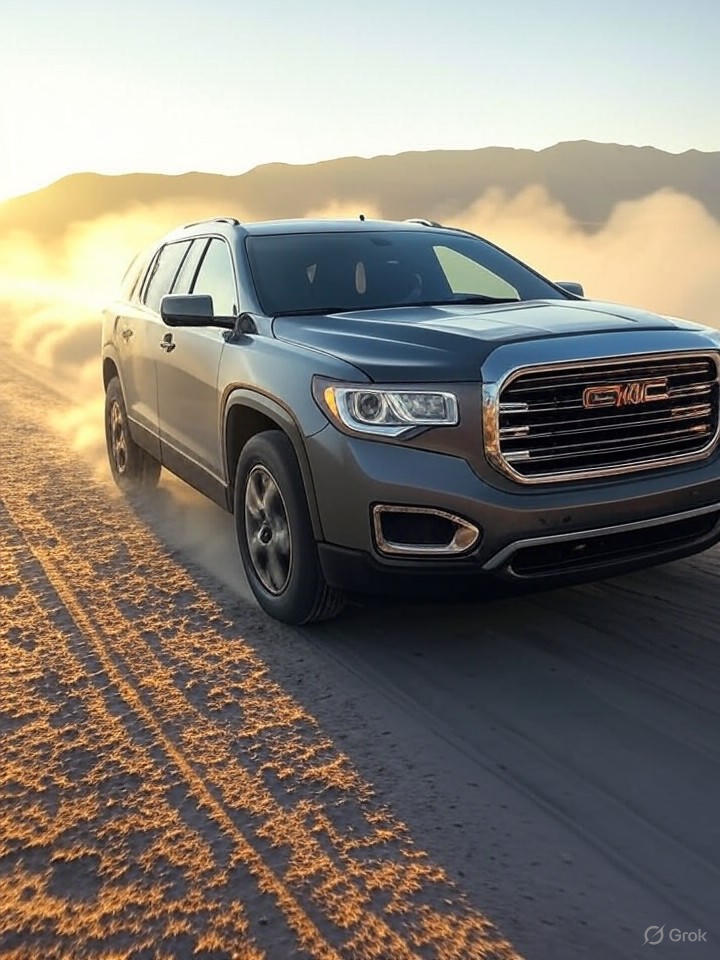










A spec sheet with a face.
Most APIs make you source images yourself. We ship the image_url in the response — a representative illustration licensed for your product to display. No separate image deal, no CDN to configure. Render it.
{
  "id": "1laqdklflb3hfav",
  "year": 2018,
  "make": "Toyota",
  "model": "Tacoma Access Cab",
  "horsepower": 278,
  "displacement_l": 3.5,
  "transmission": "Automatic 6-spd",
  "drive_type": "4x2",
  "image_url": "https://vehicle.s3.us-east-005.backblazeb2.com/…/2018_Toyota_Tacoma.png",
  "image_type": "illustration",
  "recall_count": 0
}Search the way developers think.
Query by year, make, model, and trim and get structured data back, not a search page to parse. The free tier gives you 500 calls a month — enough to build and test before you spend a dollar.
Read the API reference$ curl "https://api.carvector.io/v1/vehicles/1laqdklflb3hfav" \
-H "Authorization: Bearer cv_live_YOUR_KEY"Who builds with vehicle data.
Consumer apps & marketplaces
Listing pages need images. Comparison tools need structured specs. Your users expect to see the car, not read a table.
AI agents & copilots
An agent answering “what engine does the 2024 CR-V have” needs structured data, not a wall of text to parse. The MCP server gives it direct access.
A JSON object with a face.
Free tier. No credit card.
Not ready for a key? Browse the vehicle guide — every page is real data from the same API.